Mix and Match Pesto – Your Perfect Flavor
Mastering the art of the mix and match pesto recipe unlocks a world of flavor possibilities in your kitchen. Forget the one-size-fits-all approach! We all adore pesto for its vibrant herbaceousness and satisfying richness, but the true magic of this versatile sauce lies in its adaptability. What makes this mix and match pesto recipe so special is its inherent freedom. It’s not about rigid rules; it’s about empowering you to create a pesto perfectly suited to your palate and whatever fresh ingredients you have on hand. Whether you’re craving a classic basil punch, a peppery arugula kick, or a sun-kissed tomato twist, this guide will show you how to build your own signature pesto, turning a simple sauce into a culinary canvas. Get ready to elevate your pasta, sandwiches, and so much more with your personalized, delicious mix and match pesto recipe!
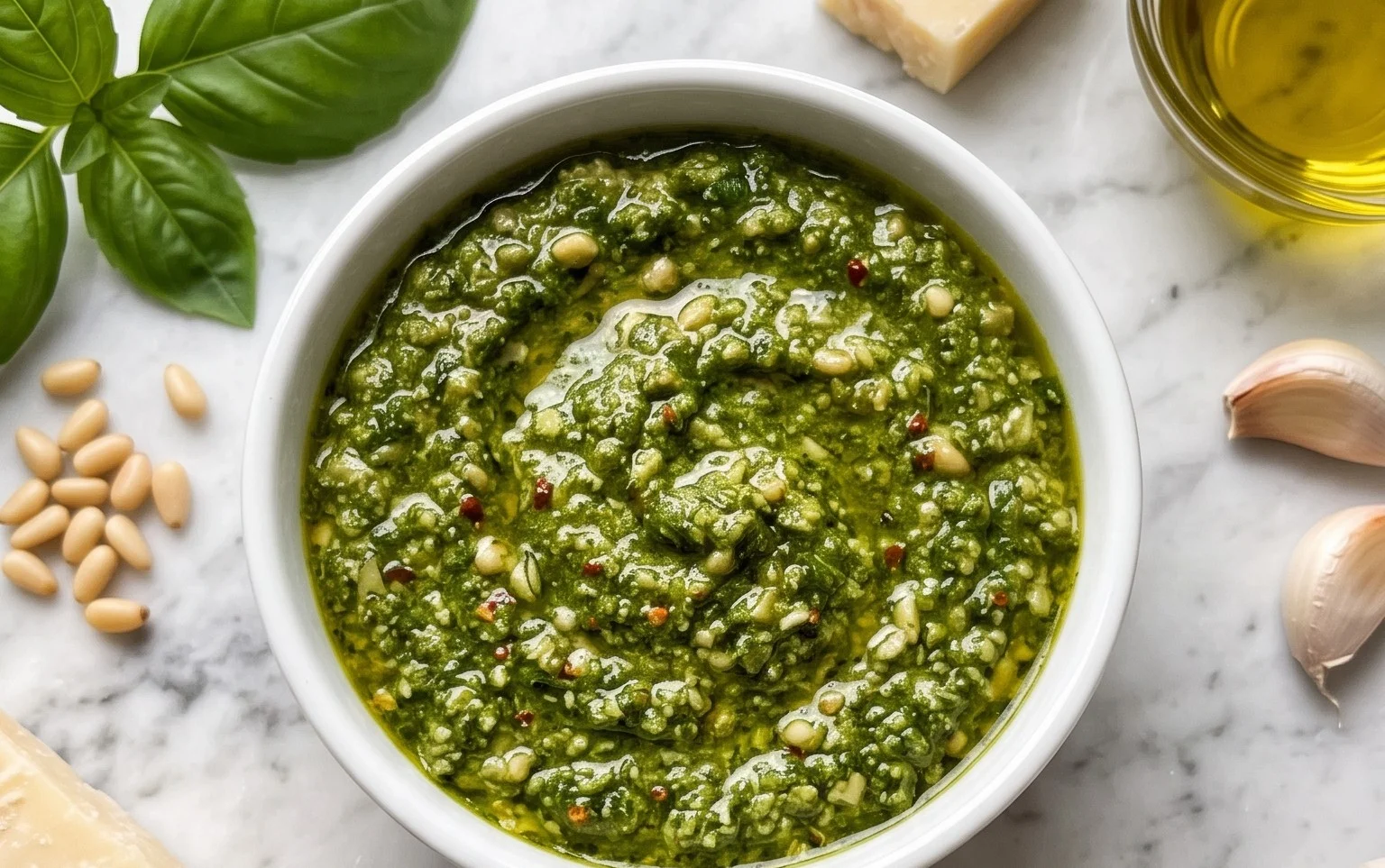
Mix and Match Pesto Recipe
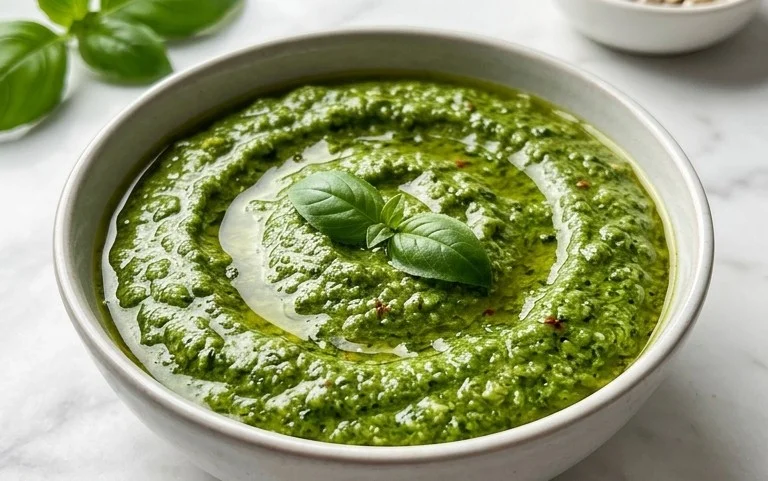
Pesto. The word itself conjures up images of vibrant green sauces, fragrant herbs, and the promise of instantly elevating any dish. But the classic basil-pine nut-Parmesan combination, while delicious, is just the starting point. Today, we’re diving into the wonderfully versatile world of the “mix and match” pesto, a recipe framework that empowers you to create your perfect pesto, tailored to your taste and what’s in your fridge. Forget rigid rules; this is about exploring flavor and finding your personal pesto passion!
The beauty of a mix and match pesto lies in its adaptability. Don’t have basil? No problem! Craving a nutty crunch but out of pine nuts? There are plenty of alternatives. This recipe provides a foundation, and you get to be the artist. Whether you’re slathering it on pasta, spreading it on a sandwich, dolloping it on grilled chicken, or whisking it into a salad dressing, your homemade pesto will be a revelation. Let’s get started on building your ultimate flavor powerhouse!
Ingredients:
The Pesto Process: Crafting Your Perfect Blend
Creating your custom pesto is a straightforward affair, and the process itself is almost as rewarding as the final product. We’ll be working with a food processor or a high-powered blender for the best results, ensuring a smooth and homogenous sauce. Don’t be afraid to taste and adjust as you go – that’s the essence of “mix and match”!
1. Prepare Your Aromatics and Base Greens: Start by peeling your garlic cloves. If you’re using tougher greens like knon-alcoholic ale or chard, it’s a good idea to blanch them briefly (about 30 seconds in boiling water, then plunge into ice water) and squeeze out any excess moisture. This step will tenderize them and make them easier to blend. If you’re using softer greens like spinach or basil, this step isn’t strictly necessary, but it can still help achieve a smoother texture. Wash and thoroughly dry all your greens. Excess water can make your pesto watery, so a salad spinner is your best friend here. Pack your chosen greens tightly into your measuring cup to ensure you have the right amount.
2. Toast Your Nuts for Enhanced Flavor (Optional but Recommended): For an extra layer of depth and complexity, consider toasting your nuts. Spread your chosen nuts in a single layer on a dry skillet over medium-low heat. Stir them frequently until they are fragrant and lightly golden brown. This process awakens their natural oils and brings out their inherent sweetness. Be vigilant, as nuts can burn quickly! Once toasted, let them cool slightly before adding them to the food processor. If you’re using sunflower or pumpkin seeds, toasting is also a great way to enhance their flavor and crunch.
3. Pulverize the Foundations: Add the peeled garlic cloves and your chosen nuts to the bowl of your food processor or blender. Give them a few pulses until they are roughly chopped. Now, add your packed greens. Pulse again until the greens are finely chopped and combined with the garlic and nuts. Scrape down the sides of the bowl as needed to ensure everything is incorporated. At this stage, you should have a vibrant, crum extractbly mixture.
4. Emulsify with Olive Oil and Cheese: With the food processor running on low speed, slowly drizzle in the extra virgin extract olive oil. You want to add just enough to create a smooth, yet not overly oily, consistency. Think of it like making a mayonnaise; you’re emulsifying the oil into the solids. As the oil is incorporated, the mixture will start to transform into a pesto. Once the oil is mostly in, add your grated Parmesan cheese (or your cheese of choice). Continue processing until the cheese is well combined and the pesto has reached your desired texture. If you prefer a thicker pesto, add less oil and cheese. For a looser pesto, add a little more.
5. Season and Brighten: This is where you truly personalize your pesto. Add salt and freshly ground black pepper to taste. Start with a pinch of each and gradually add more until the flavors sing. Don’t underestimate the power of good seasoning! Now, for that optional but transformative element: the lemon juice. Squeeze in the juice from half a lemon. The acidity of the lemon cuts through the richness of the oil and cheese, brightening all the flavors and adding a delightful tang. Pulse a few more times to incorporate. Taste again – does it need more salt? More pepper? A touch more lemon? Adjust until it’s perfect for your palate. If your pesto seems a little too thick, you can always drizzle in a touch more olive oil or even a tablespoon or two of the cooking water from your pasta to achieve the ideal consistency.
Your homemade, mix and match pesto is now ready to be enjoyed! Store it in an airtight container in the refrigerator for up to a week, or freeze portions for longer storage. This versatile sauce is a game-changer in the kitchen, offering endless possibilities for delicious meals. Experiment with different green and nut combinations to discover your signature pesto blend!
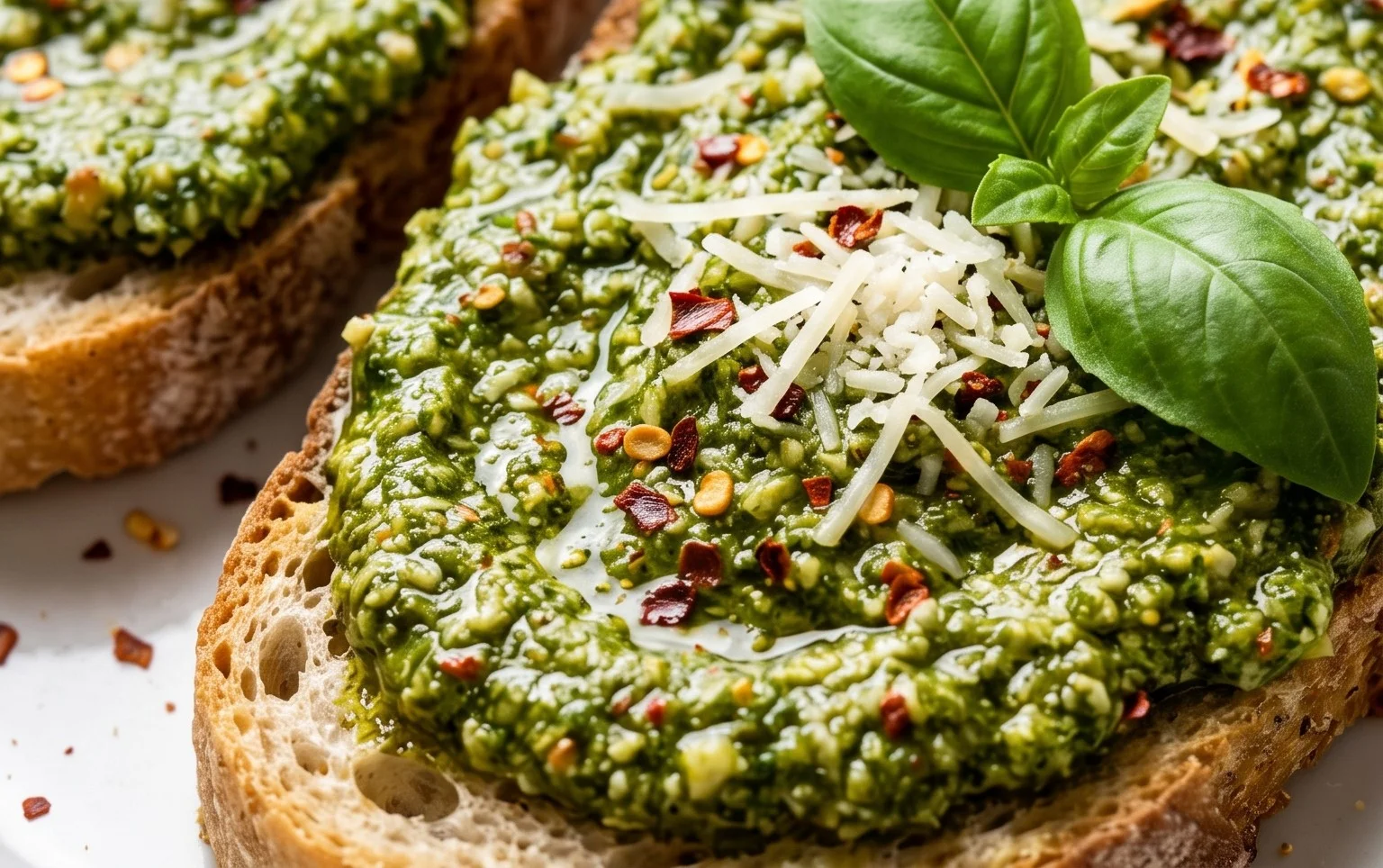
Conclusion:
This mix and match pesto recipe is an absolute game-changer in my kitchen, and I’m so excited for you to try it! The beauty of this recipe lies in its incredible versatility. Gone are the days of being tied to just one type of pesto. With this adaptable approach, you can unlock a world of flavors using ingredients you already have on hand. Whether you’re craving a vibrant basil classic, a peppery arugula twist, or a nutty sun-dried tomato delight, the possibilities are truly endless. It’s quick to whip up, requires minimal effort, and elevates even the simplest of meals. I love using it as a sauce for pasta, a spread on sandwiches, a topping for roasted vegetables, or even stirred into creamy soups. Don’t be afraid to experiment with different herbs, nuts, and cheeses to discover your own signature blend! Give this mix and match pesto recipe a try – I guarantee you’ll be hooked on its flexibility and deliciousness.
Frequently Asked Questions:
What kind of nuts work best for pesto?
While pine nuts are traditional and offer a delicate flavor, many other nuts work wonderfully. Try toasted walnuts for a richer, slightly bitter note, almonds for a milder sweetness, or even cashews for a creamy texture. Pecans can also add a lovely autumnal depth.
Can I make this pesto dairy-free?
Absolutely! To make your mix and match pesto dairy-free, simply omit the Parmesan cheese and consider adding a pinch of nutritional yeast for a cheesy flavor, or a small amount of lemon zest for brightness. Some nut and seed alternatives can also add a savory element.
How long does homemade pesto last?
Properly stored in an airtight container in the refrigerator, homemade pesto typically lasts for 5-7 days. To maximize its freshness and prevent browning, you can pour a thin layer of olive oil over the surface before sealing the container. It also freezes beautifully for longer storage!
Mix and Match Pesto Recipe
A versatile pesto recipe that allows for customization with a variety of greens, nuts, and flavorings. Perfect for pasta, sandwiches, or as a dip.
Ingredients
-
2 to 3 garlic cloves, peeled
-
2 cups packed spinach
-
1/4 cup pine nuts
-
1/4 cup extra virgin olive oil, plus additional
-
1/2 cup grated Parmesan cheese
-
salt
-
pepper
-
juice from 1/2 a lemon
Instructions
-
Step 1
Combine garlic cloves, packed greens, and nuts in a food processor. -
Step 2
Pulse until finely chopped. -
Step 3
With the food processor running, slowly drizzle in the extra virgin olive oil until the pesto reaches your desired consistency. -
Step 4
Add the grated Parmesan cheese, salt, and pepper to taste. Pulse to combine. -
Step 5
Stir in the lemon juice, if using. -
Step 6
Taste and adjust seasonings as needed. Add more olive oil if you prefer a thinner consistency.
Important Information
Nutrition Facts (Per Serving)
It is important to consider this information as approximate and not to use it as definitive health advice.
Allergy Information
Please check ingredients for potential allergens and consult a health professional if in doubt.