Perfect Ramen Eggs Ajitama Flavorful Marinated Eggs
Ramen eggs, or ajitama, are more than just a topping; they are the heart and soul of a truly exceptional bowl of ramen. There’s a reason why these marinated marvels are so universally adored. Their rich, custardy yolk, infused with a savory umami-rich brine, provides a textural and flavor explosion that elevates even the simplest broth. What makes ramen eggs so incredibly special? It’s the perfect balance achieved through careful marination – a delicate dance between sweet soy sauce, non-alcoholic mirin, non-alcoholic sake, and sometimes a hint of gin extractger or garlic. The resulting ajitama offers a comforting, deeply satisfying bite that lingers long after your last slurp. Whether you’re a seasoned ramen enthusiast or just begin extractning your noodle journey, mastering the art of making perfect ramen eggs at home is incredibly rewarding, and I’m thrilled to share my tried-and-true method with you.
Ramen Eggs (Ajitama)
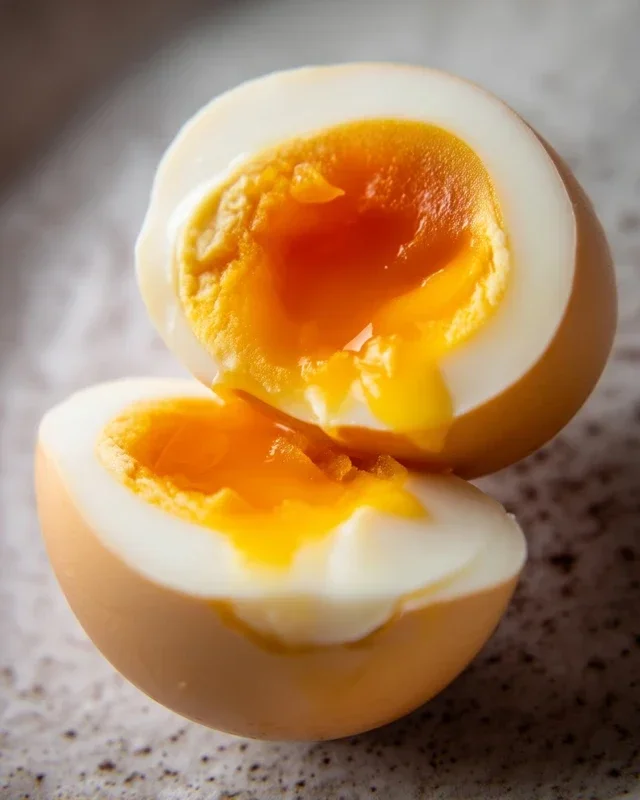
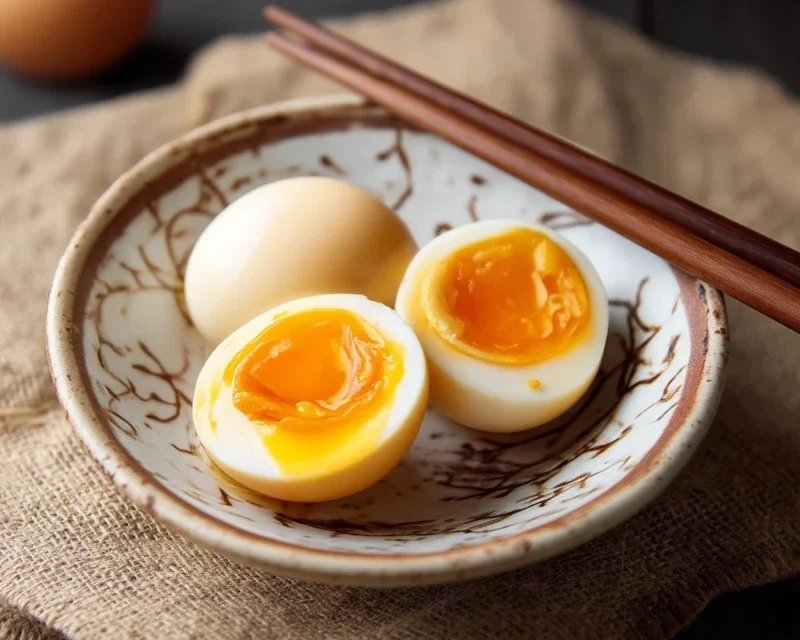
There’s something truly magical about a perfectly cooked ramen egg, also known as ajitama. That glorious, jammy yolk, custardy white, and the subtle, savory marinade – it’s a game-changer for any bowl of ramen. Forget store-bought; making your own ajitama at home is surprisingly simple and incredibly rewarding. Once you’ve mastered this recipe, you’ll be adding these flavor bombs to everything, from ramen and udon to rice bowls and even salads. Let’s dive into how we can create these little delights.
Ingredients:
*Note on eggs: For the best results and easiest peeling, I highly recommend using eggs that are a few days old, rather than super fresh ones. This allows a slight separation between the egg white and the shell, making peeling much smoother. If you only have fresh eggs, don’t worry, they will still work, but you might need to be a little more gentle when peeling.
Cooking Instructions:
The process of making ajitama can be broken down into a few key stages: boiling the eggs to perfection, preparing the marinade, and then the crucial marinating time. Each step plays a vital role in achieving that iconic texture and flavor.
Phase 1: Boiling the Eggs
This is where we aim for that perfect “jammy” yolk. The ideal ramen egg has a fully cooked but still soft, almost molten center. It’s a delicate balance, and I’ve found a reliable method that minimizes the risk of over or undercooking.
1. Prepare your boiling water: Bring a medium saucepan of water to a rolling boil. You want enough water to completely submerge the eggs without overcrowding the pan. If you’re finding your eggs tend to crack during boiling, you can add a splash of vinegar to the water. The vinegar helps to coagulate any leaking egg white quickly, sealing up small cracks and preventing them from becoming major issues.
2. Gently add the eggs: Once the water is at a rolling boil, carefully lower your eggs into the water. You can use a slotted spoon or a spider strainer to do this gently. Avoid dropping them in from a height, as this can cause them to crack. If you’re using a timer, now is the time to start it. For a jammy yolk, I recommend boiling the eggs for precisely 6 minutes and 30 seconds. This timing is crucial and might require a little practice to get just right for your stovetop.
3. Immediate ice bath: As soon as the timer goes off, immediately transfer the boiled eggs from the hot water into an ice bath. This is an absolutely essential step. The ice bath does two things: it stops the cooking process instantly, preventing the yolks from becoming hard and chalky, and it helps the eggs contract slightly, making them much easier to peel. Let the eggs sit in the ice bath for at least 10 minutes, or until they are completely cooled.
Phase 2: Preparing the Marinade
While the eggs are cooling, it’s time to whip up the flavorful marinade that will transform them into ajitama. This mixture is simple but packs a punch of savory, sweet, and umami goodness.
4. Combine marinade ingredients: In a small saucepan, combine the light sodium soy sauce, water, non-non-non-alcoholic alternativeic non-alcoholic mirin, and granulated sugar. Place this saucepan over medium heat and stir gently until the sugar has completely dissolved. You don’t need to bring this to a boil, just a gentle simmer to ensure everything is well incorporated. Once the sugar is dissolved, remove the pan from the heat and let the marinade cool down. It’s important that the marinade is not piping hot when it comes into contact with the eggs, as this can also affect the texture of the whites.
Phase 3: Marinating the Eggs
This is where the magic happens. Patience is key here, as the longer the eggs marinate, the more flavor they will absorb.
5. Marinate and chill: Once the eggs are completely cool and the marinade has also cooled to room temperature, it’s time to bring them together. Carefully peel the cooled eggs. Don’t worry if some bits of shell stick; just be gentle. Place the peeled eggs into a resealable bag or a small container. Pour the cooled marinade over the eggs, ensuring they are fully submerged. If the marinade doesn’t quite cover them, you can top it up with a little extra water or soy sauce. Seal the bag or cover the container and refrigerate for at least 6 hours, but preferably overnight. For an even deeper flavor, you can marinate them for up to 24 hours. Turn the eggs occasionally to ensure even marination.
After their marinating time, your ajitama are ready to be sliced in half and served atop your favorite ramen. You’ll be amazed at the difference these homemade flavor bombs make! Enjoy your delicious, homemade ramen eggs!
Conclusion:
And there you have it! Perfectly seasoned Ramen Eggs, or Ajitama, are surprisingly simple to create at home and are an absolute game-changer for any ramen dish. The magic lies in their custardy yolk and savory, umami-rich marinade, which infuses the egg with incredible depth of flavor. They’re not just for ramen, though; these little flavor bombs are fantastic as a topping for rice bowls, a protein boost in salads, or even enjoyed on their own as a delicious snack. I truly encourage you to give this recipe a try – it’s incredibly rewarding and elevates your meals significantly. Experiment with different soy sauce blends or add a touch of non-alcoholic mirin to the marinade for your own unique twist!
Frequently Asked Questions:
Can I make Ajitama ahead of time?
Absolutely! Ramen eggs are actually best made a day or two in advance to allow the flavors to fully meld. They can be stored in the marinade in an airtight container in the refrigerator for up to 3-4 days.
What’s the best way to peel the eggs?
The trick to easy peeling is to shock the boiled eggs in an ice bath immediately after cooking. This helps the membrane separate from the egg white. Then, gently crack the egg all over and roll it between your hands on a flat surface before starting to peel under cool running water.
Can I use a different type of soy sauce?
Yes! While a good quality Japanese soy sauce is recommended, feel free to experiment. Tamari can be used for a gluten-free option, or you could even try a mix of soy sauce and a touch of oyster sauce for an extra layer of savory depth.
Ramen Eggs (Ajitama)
Perfectly marinated soft-boiled eggs, a staple for ramen.
Ingredients
-
6 large eggs
-
1/2 cup soy sauce (light sodium)
-
1/4 cup water
-
1/4 cup non-alcoholic mirin
-
2 tablespoons granulated sugar
-
1 tablespoon rice vinegar (optional for boiling eggs)
Instructions
-
Step 1
Gently place eggs in a pot and cover with cold water. Add rice vinegar if using. Bring to a rolling boil. -
Step 2
Once boiling, reduce heat to a simmer and cook for exactly 6 minutes for a jammy yolk. Immediately transfer to an ice bath to stop cooking. -
Step 3
While eggs are cooling, whisk together soy sauce, water, non-alcoholic mirin, and granulated sugar in a bowl until sugar is dissolved. -
Step 4
Once eggs are cool enough to handle, carefully peel them. -
Step 5
Place peeled eggs in a zip-top bag or a container and pour the marinade over them. Ensure eggs are fully submerged. -
Step 6
Refrigerate for at least 12 hours, or up to 24 hours, flipping occasionally for even marination.
Important Information
Nutrition Facts (Per Serving)
It is important to consider this information as approximate and not to use it as definitive health advice.
Allergy Information
Please check ingredients for potential allergens and consult a health professional if in doubt.