Beef Ragu Pasta in Rich Tomato Sauce
Beef Pasta in Tomato Sauce, also lovingly known as Beef Ragu Pasta, is a dish that whispers comfort, a culinary hug on a plate. Who doesn’t adore the satisfying chew of perfectly cooked pasta enveloped in a rich, slow-simmered sauce brimming with tender chunks of beef? It’s a classic for a reason, a timeless favorite that brings families together and makes even the busiest weeknight feel like a special occasion. What truly sets this Beef Ragu Pasta apart is the depth of flavor achieved through patience. We’re talking about building layers of savory goodness, allowing the beef to meld with the sweet acidity of tomatoes and aromatic herbs until it transforms into something utterly magical. Forget those bland, store-bought sauces; this homemade Beef Pasta in Tomato Sauce is going to become your new go-to, a recipe you’ll want to master and share.
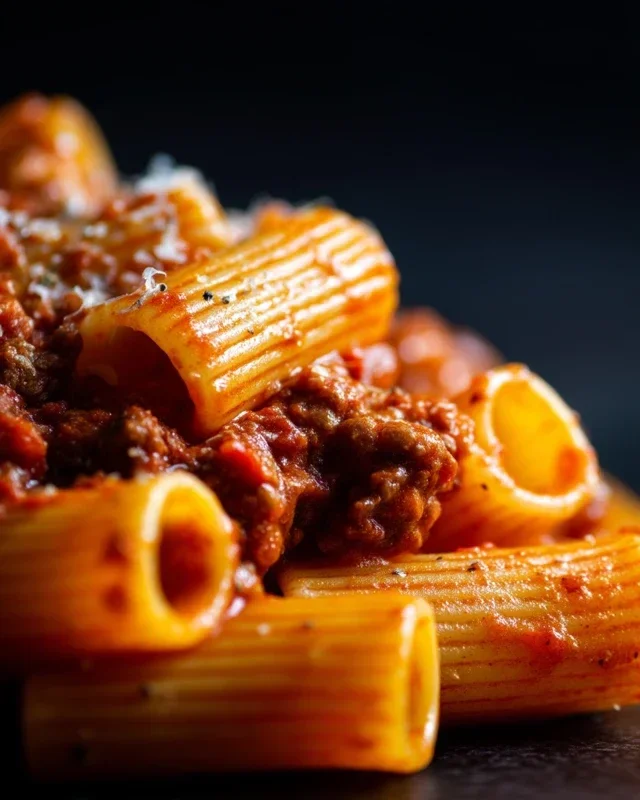
Beef Pasta in Tomato Sauce {Beef Ragu Pasta}
There’s something incredibly comforting about a classic beef ragu served over pasta. It’s a dish that speaks of warmth, family, and hearty satisfaction. This recipe for Beef Pasta in Tomato Sauce, or what many lovingly call Beef Ragu Pasta, is no exception. It’s a slow-cooked marvel that transforms simple ingredients into a rich, deeply flavorful sauce that coats every strand of pasta perfectly. While it does require a bit of patience, the payoff is absolutely worth it. This isn’t your quick weeknight pasta; this is a weekend project that yields leftovers you’ll be dreaming about.
This ragu is built on a foundation of aromatic vegetables, rich ground beef, and a slow simmer in a robust tomato sauce. The beauty of ragu is its versatility; it’s wonderful with tagliatelle, pappardelle, or even a shorter pasta like penne or rigatoni. Let’s get started on creating this delicious masterpiece that will fill your home with an irresistible aroma.
Ingredients:
Sautéing the Aromatics
The first crucial step in building a flavorful ragu is to properly sauté your aromatics. This process, often referred to as a “soffritto” in Italian cooking, is where the magic begin extracts. Heat the olive oil in a large, heavy-bottomed pot or Dutch oven over medium heat. Once the oil is shimmering, add the finely chopped onion, carrots, and celery. This trio of vegetables provides a sweet and savory base for our sauce. Cook them, stirring occasionally, until they are softened and the onion is translucent, which usually takes about 8-10 minutes. Don’t rush this step; allowing them to gently cook releases their natural sugars and develops a more complex flavor profile. If the vegetables start to stick, you can add a tiny splash of water or broth. After the vegetables have softened, stir in the minced garlic and cook for another minute until fragrant. Be careful not to burn the garlic, as it can turn bitter.
Browning the Beef
Now it’s time to introduce our star ingredient: the ground beef. Add the ground beef to the pot with the softened aromatics. Break up the meat with a spoon and cook it, stirring occasionally, until it’s well browned all over. This browning process is essential for developing a rich, meaty flavor in your ragu. As the beef cooks, fat will render out. You can drain off most of this excess fat, leaving just a tablespoon or two in the pot to help carry the flavors. Once the beef is nicely browned, you can proceed to the next stage of building the sauce. Ensure all the pink is gone from the beef; this helps prevent a chewy texture in the final sauce.
Building the Sauce
With the beef browned and the aromatics softened, we can start building the luscious tomato sauce. Pour in the crushed tomatoes, beef broth, and the red grape juice, if you’re using it. Red grape juice adds a wonderful depth and acidity to the ragu, but if you prefer to omit it, simply increase the beef broth slightly. Add the dried oregano and dried basil to the pot. These herbs will rehydrate and infuse their flavors into the sauce as it simmers. Season generously with salt and freshly ground black pepper. It’s always best to season as you go, but remember that the sauce will reduce, concentrating the flavors, so don’t over-salt at this stage. Stir everything together to combine, scraping up any browned bits from the bottom of the pot – that’s pure flavor!
The Simmering Process
This is where patience truly pays off. Bring the sauce to a gentle simmer, then reduce the heat to low, cover the pot, and let it cook for at least 1.5 to 2 hours, or even longer. The longer the ragu simmers, the more the flavors will meld and deepen, and the meat will become incredibly tender. Stir the sauce occasionally to prevent it from sticking to the bottom of the pot. If the sauce becomes too thick during cooking, you can add a splash more beef broth or water to reach your desired consistency. During this long simmer, the beef will break down further and become almost melt-in-your-mouth tender, and the tomato sauce will thicken beautifully, coating the back of a spoon. I often find that the aroma filling the kitchen during this time is just divine and a testament to the deliciousness to come.
Cooking the Pasta and Serving
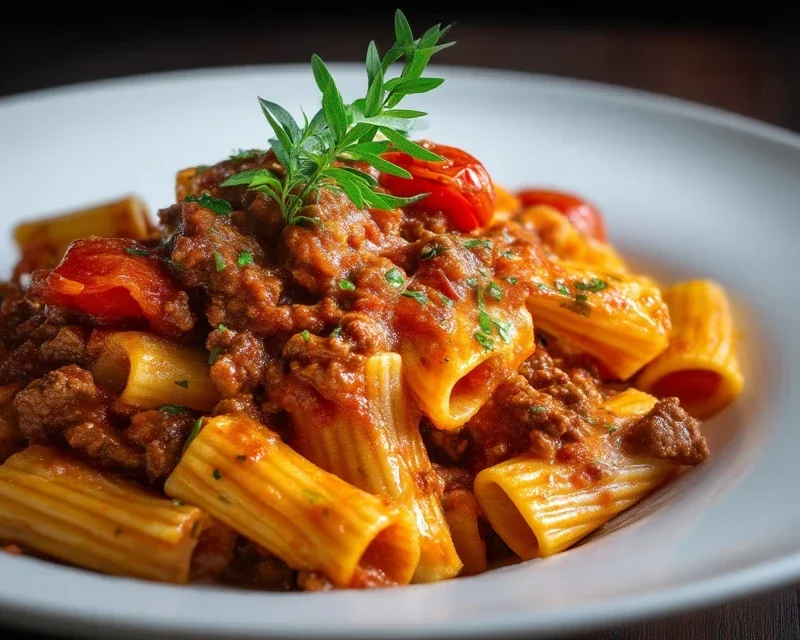
Once your ragu has had ample time to simmer and develop its rich flavors, it’s time to cook your pasta. Bring a large pot of generously salted water to a rolling boil. Add your chosen pasta and cook according to package directions until al dente – meaning it’s tender but still has a slight bite. While the pasta is cooking, give your ragu one final taste and adjust the seasoning if needed. Drain the cooked pasta, reserving about a cup of the starchy pasta water. Add the drained pasta directly to the pot with the ragu. Toss everything together, allowing the pasta to soak up some of that glorious sauce. If the sauce seems a little too thick, add a splash of the reserved pasta water, which will help emulsify the sauce and coat the pasta beautifully. Serve immediately, generously garnished with fresh chopped parsley and plenty of grated Parmesan cheese. Enjoy this deeply satisfying and flavorful Beef Ragu Pasta!
Conclusion:
And there you have it – a wonderfully hearty and comforting Beef Pasta in Tomato Sauce, a true classic Beef Ragu Pasta that’s perfect for any occasion. This recipe is a winner because it’s incredibly flavorful, deeply satisfying, and surprisingly easy to make, even on a weeknight. The slow simmer allows the beef to become incredibly tender, while the rich tomato sauce develops layers of deliciousness. It’s the kind of meal that brings people together and always gets rave reviews.
For serving, I love to top this beef pasta with a generous sprinkle of freshly grated Parmesan cheese and a handful of fresh basil leaves. It also pairs beautifully with a simple side salad and some crusty bread for soaking up every last drop of that amazing sauce.
Don’t be afraid to get creative with variations! You can add a pinch of red pepper flakes for a little heat, or stir in some chopped mushrooms or bell peppers along with the onions and carrots for added texture and flavor. Feel free to experiment with different pasta shapes too – rigatoni, pappardelle, or even spaghetti work wonderfully. I truly encourage you to give this Beef Pasta in Tomato Sauce a try; I’m confident it will become a beloved staple in your recipe repertoire.
Frequently Asked Questions:
Can I make this Beef Ragu Pasta ahead of time?
Absolutely! In fact, this Beef Pasta in Tomato Sauce often tastes even better the next day as the flavors have more time to meld. You can prepare the entire ragu and refrigerate it for up to 3 days, or freeze it for up to 3 months. Simply reheat gently on the stovetop.
What kind of beef is best for this recipe?
For the most tender and flavorful results, I recommend using ground beef with a moderate fat content, around 80/20. You can also use stewing beef cut into small cubes, but ensure you cook it low and slow until fork-tender. The key is to allow the beef to break down and become incredibly succulent.
Beef Pasta in Tomato Sauce
A hearty and flavorful beef ragu pasta dish featuring tender ground beef simmered in a rich tomato sauce, perfect for a comforting meal.
Ingredients
-
1 pound ground beef
-
1 large onion, chopped
-
2 cloves garlic, minced
-
1 (28 ounce) can crushed tomatoes
-
1/2 cup beef broth
-
1 teaspoon dried oregano
-
1/2 teaspoon dried basil
-
Salt and black pepper to taste
-
12 ounces pasta, cooked according to package directions
Instructions
-
Step 1
In a large pot or Dutch oven, brown the ground beef over medium-high heat. Drain off any excess fat. -
Step 2
Add the chopped onion to the pot and cook until softened, about 5-7 minutes. -
Step 3
Stir in the minced garlic and cook for another minute until fragrant. -
Step 4
Pour in the crushed tomatoes and beef broth. Add oregano and basil. Season with salt and pepper. -
Step 5
Bring the sauce to a simmer, then reduce heat to low, cover, and let it cook for at least 45 minutes, stirring occasionally, to allow the flavors to meld. -
Step 6
Serve the beef ragu sauce over cooked pasta.
Important Information
Nutrition Facts (Per Serving)
It is important to consider this information as approximate and not to use it as definitive health advice.
Allergy Information
Please check ingredients for potential allergens and consult a health professional if in doubt.