Easy Chimichurri Sauce Recipe- Fresh & Flavorful
Chimichurri sauce isn’t just a condiment; it’s a vibrant explosion of fresh flavor that has captured hearts and taste buds across the globe. If you’ve ever experienced the zesty brightness of perfectly grilled steak, lamb, or even roasted vegetables, chances are you’ve encountered this magical green elixir. What makes chimichurri so beloved? It’s the incredible balance – the pungent garlic, the herbaceous parsley and oregano, the subtle heat from chili flakes, all united by the tang of vinegar and the richness of olive oil. This Argentinian staple is surprisingly simple to make, yet its impact on any dish is profound, transforming the ordinary into the extraordinary. Get ready to elevate your cooking with this versatile chimichurri sauce that I can’t get enough of!
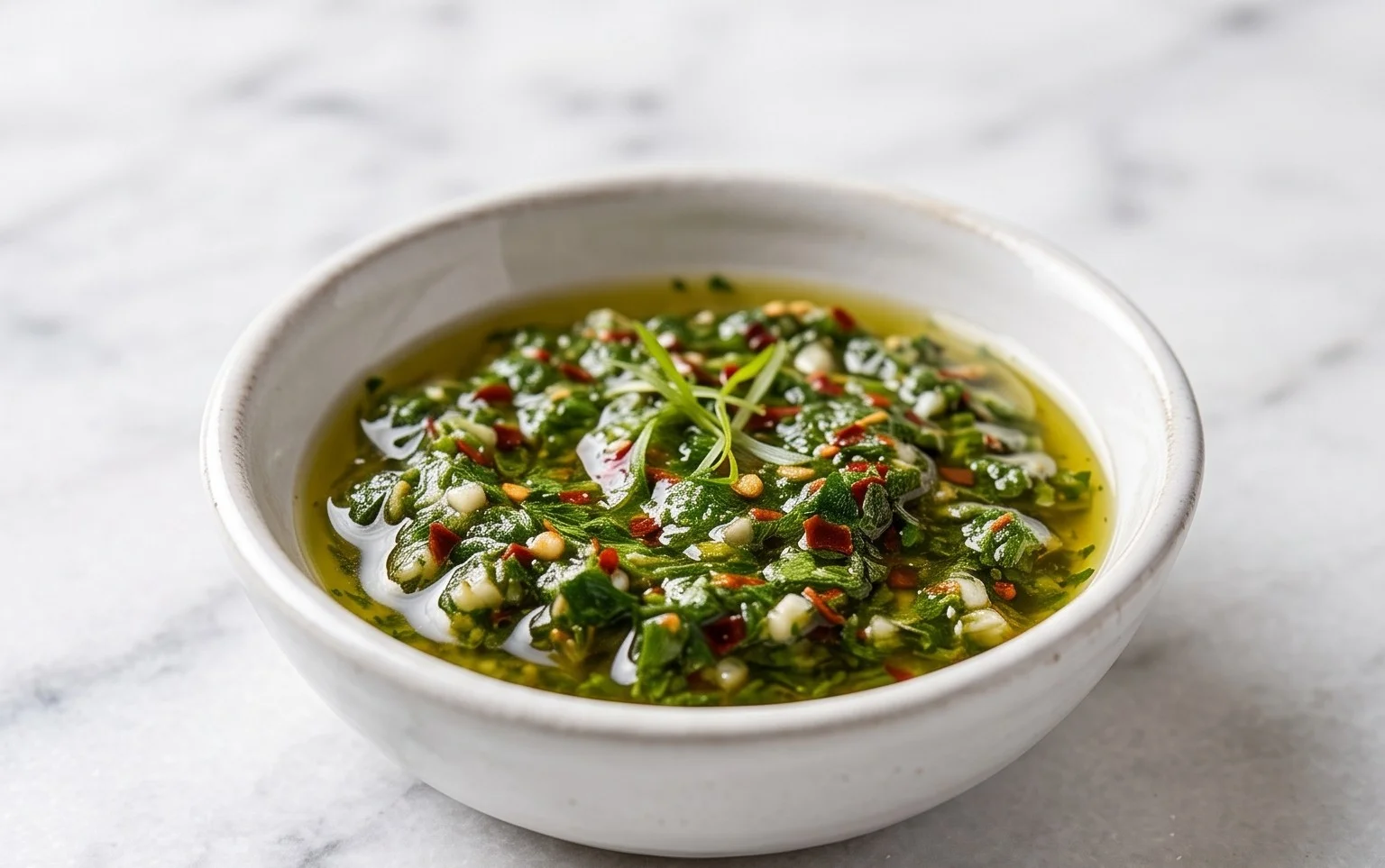
Chimichurri Sauce: The Vibrant Argentine Condiment You Need
There are few sauces that possess the sheer vibrant energy of chimichurri. This herbaceous, garlicky, and tangy condiment, hailing from Argentina, is an absolute game-changer for grilled meats, roasted vegetables, and even a simple piece of bread. Forget boring marinades; chimichurri is a zesty revelation that elevates everything it touches. Its bright green hue is a promise of the fresh, bold flavors within, and once you make it yourself, you’ll understand why it’s a staple in South American cuisine. Making chimichurri from scratch is surprisingly simple, requiring minimal effort and a handful of fresh ingredients. The magic happens in the blending of herbs, aromatics, and a tangy vinegar base, all brought together with the richness of olive oil.
Ingredients:
Crafting Your Chimichurri
The beauty of chimichurri lies in its fresh, uncooked nature. This means we’re not really “cooking” in the traditional sense, but rather finely mincing, chopping, and emulsifying our ingredients to create a harmonious blend of flavors.
Step 1: Prepare Your Herbs and Aromatics
First things first, we need to get our fresh herbs ready. For the parsley and cilantro, you’ll want to give them a good rinse and thoroughly pat them dry with paper towels. This is crucial; excess water can dilute the flavor and affect the texture of your sauce. Once dry, strip the leaves from the tougher stems of the parsley and cilantro. You can use the leaves whole or give them a rough chop at this stage if you prefer. If you’re using fresh oregano, do the same – strip the leaves and discard the woody stems. If you’re opting for dried oregano, you’ll add it later with the other dry seasonings.
Next, prepare your aromatics. Peel your garlic cloves. You can mince them very finely with a knife, or if you have a garlic press, that will work wonderfully too, ensuring a very fine texture. For the red onion or shallot, you’ll want to dice it as finely as possible. The finer you dice it, the more evenly it will distribute its flavor throughout the sauce. You can achieve a very fine dice by starting with thin slices and then chopping those slices crosswise. Remember, we’re aiming for small, uniform pieces.
Step 2: Combine the Herbaceous Base
Now it’s time to bring the herbs and aromatics together. The best way to do this for the most vibrant and fresh flavor is to finely chop everything by hand. This gives you a lot of control over the texture. Place your prepared parsley, cilantro, and oregano leaves (if using fresh) onto a clean cutting board. Add your finely minced garlic and finely diced red onion or shallot. Now, using a sharp chef’s knife, begin extract to finely chop everything. Work in a rocking motion with your knife, gathering the ingredients together periodically. Continue chopping until everything is very finely minced and the herbs are well incorporated with the garlic and onion. You’re looking for a consistency where you can still see distinct pieces of herbs and aromatics, but they are small enough to create a good texture in the sauce. Don’t over-process it into a paste; we want some bite!
Step 3: Introduce the Tang and Spice
Once your herb and aromatic base is finely chopped, transfer it to a medium-sized mixing bowl. Now, we’ll add the liquids that will give our chimichurri its signature tang. Pour in the red grape juice vinegar and the fresh lemon juice. The combination of these two acidic elements provides a bright, zesty counterpoint to the rich herbs. Stir everything together gently to start incorporating the liquids into the herbaceous mixture.
Next, it’s time for seasoning. Add the salt and the red pepper flakes, if you’re using them. The salt is essential for bringin extractg out all the flavors, so start with the recommended amount and know that you can always add more later. The red pepper flakes are your ticket to a little bit of heat. I like to add a small amount initially and then taste, adjusting based on how much warmth I desire. If you’re using dried oregano, this is the perfect time to add it to the bowl. Stir everything well to distribute the seasonings evenly.
Step 4: Emulsify with Olive Oil
This is where our chimichurri truly comes to life. The olive oil not only adds a luxurious richness but also binds all the other ingredients together, creating a beautiful, emulsified sauce. Slowly drizzle in the olive oil while whisking continuously. You can use a whisk or a fork for this. The goal is to gradually incorporate the oil into the herb mixture. As you whisk, you’ll notice the sauce starting to thicken slightly and take on a more cohesive texture. Keep whisking until all the olive oil is fully incorporated and the sauce has a beautiful, vibrant green color with a slightly glossy sheen.
Don’t rush this step! Adding the olive oil slowly and whisking consistently will help create a more stable emulsion. This means your chimichurri will stay beautifully blended for longer. You want a sauce that is pourable but not watery, with the herbs and aromatics suspended in the oil and vinegar mixture.
Step 5: Taste and Adjust**
The final and perhaps most important step in making any sauce is to taste and adjust! Grab a clean spoon and take a generous taste of your chimichurri. Think about what your taste buds are telling you. Does it need more salt? Perhaps a touch more acidity from lemon juice or vinegar? If you like it spicier, now is the time to stir in a pinch more red pepper flakes. Chimichurri is very forgiving, and it’s meant to be customized to your preference. Don’t be afraid to make small adjustments until it’s absolutely perfect for you. Remember that the flavors will also meld and deepen as the sauce sits, especially if you let it rest for at least 15-30 minutes before serving.
Once you’ve achieved your desired balance of flavors, your chimichurri is ready to be enjoyed! Spoon it generously over grilled steaks, chicken, fish, or vegetables. It’s also fantastic on roasted potatoes or as a dipping sauce for crusty bread. Store any leftovers in an airtight container in the refrigerator for up to a week. Enjoy this taste of Argentina!
Conclusion:
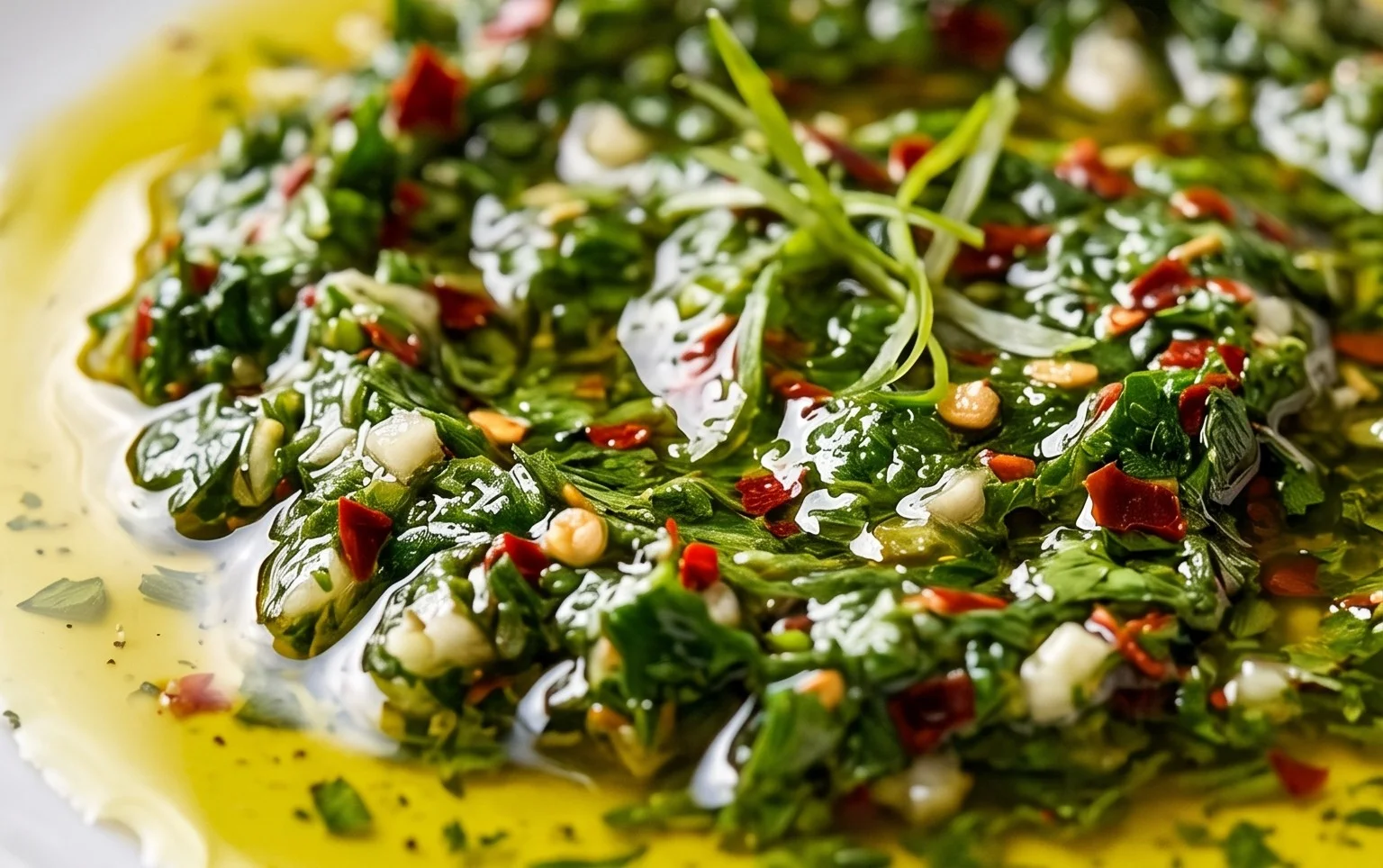
There you have it! Mastering this chimichurri sauce recipe is incredibly rewarding. Its vibrant, fresh flavors are a game-changer for so many dishes. This herbaceous sauce, packed with parsley, garlic, oregano, and a zing of vinegar, offers a delightful balance that cuts through richness and elevates even the simplest meal. I find it’s my go-to for adding a burst of freshness to grilled meats, roasted vegetables, and even as a dipping sauce for crusty bread.
Don’t be afraid to experiment! Try adding a pinch of red pepper flakes for a bit of heat, or swap out some of the parsley for cilantro for a different herbaceous profile. This recipe is incredibly forgiving and adaptable to your personal taste. I encourage you to give it a try – I promise you’ll be hooked on how easy it is to create such a flavorful condiment from scratch. It’s a fantastic way to impress your friends and family, or simply to treat yourself to something delicious.
Frequently Asked Questions:
Can I make chimichurri sauce ahead of time?
Absolutely! Chimichurri sauce actually tastes even better after it’s had a chance to meld for a few hours or overnight in the refrigerator. Store it in an airtight container, and it should stay fresh for up to a week.
What are some other ways to use chimichurri sauce besides with grilled steak?
The possibilities are endless! It’s fantastic on grilled chicken, fish, beef, and even tofu. You can also use it as a dressing for salads, a marinade for vegetables before roasting, or drizzled over roasted potatoes. It’s a wonderfully versatile sauce!
Can I freeze chimichurri sauce?
While you can freeze chimichurri sauce, the texture of the herbs might change slightly upon thawing, becoming a bit softer. For the best freshness and flavor, I recommend making smaller batches and storing them in the refrigerator. If you do freeze it, consider freezing it in ice cube trays for easy portioning.
Chimichurri Sauce
A vibrant and herbaceous Argentine sauce, perfect for grilled meats, vegetables, or as a marinade. This recipe offers a balanced flavor with fresh herbs, garlic, and a touch of acidity.
Ingredients
-
1 1/2 cups well packed (42g) fresh parsley
-
1/2 cup well packed (20g) fresh cilantro
-
1/4 cup (9g) fresh oregano
-
1/4 small red onion
-
3 garlic cloves
-
3 Tbsp red grape juice vinegar
-
2 Tbsp fresh lemon juice
-
1/2 tsp salt
-
1/4 tsp red pepper flakes
-
3/4 cup olive oil
Instructions
-
Step 1
Finely chop the fresh parsley, cilantro, and fresh oregano. If using dried oregano, crumble it into a small bowl. -
Step 2
Finely mince the red onion (or shallot) and the garlic cloves. -
Step 3
In a medium bowl, combine the chopped herbs, minced onion, minced garlic, red grape juice vinegar, lemon juice, salt, and red pepper flakes (if using). -
Step 4
Whisk the ingredients together until well combined. -
Step 5
Slowly drizzle in the olive oil while whisking continuously to emulsify the sauce. Continue whisking until the sauce is well combined and slightly thickened. -
Step 6
Taste and adjust seasoning with additional salt or red pepper flakes if desired.
Important Information
Nutrition Facts (Per Serving)
It is important to consider this information as approximate and not to use it as definitive health advice.
Allergy Information
Please check ingredients for potential allergens and consult a health professional if in doubt.